
Marketing Management
Department Overview
The Marketing Management Department has Established in the 2012-2013 academic year as the "Department of Tourism Organization Administration," this department admitted its first undergraduate class and has since graduated 400 students specializing in tourism business, these graduates have successfully entered the tourism industry, with many achieving significant professional success—launching their own businesses or securing key roles in various tourism projects. Their academic diploma has served as a gateway to sustainable income for themselves and their families.
Rebranding & Expansion
In the 2024-2025 academic year, the department was renamed the "Department of Marketing Management" to better align with industry demands. The first intake of students (number to be confirmed) has been enrolled in both morning and evening programs. This shift responds to the growing need for skilled marketing professionals at local, national, and global levels, particularly in diverse corporate and project-based environments.
Marketing Competencies
- Foundational Marketing Competencies: Students will master foundational marketing competencies, including the 4Ps framework, consumer behavior analysis, and data interpretation, to develop strategic marketing plans that drive business growth.
- Digital Marketing and Technology Skills: Learners will utilize AI tools, social media platforms, and e-commerce systems to create and optimize digital marketing campaigns.
- Business Communication and Research: Students will conduct professional market research and effectively present their findings in both English and Kurdish through reports and presentations.
- Strategic and Analytical Thinking: Learners will apply statistical analysis using SPSS, economic principles, and feasibility studies to address complex marketing challenges.
- Specialized Marketing Applications: Will develop sector-specific marketing strategies for the agriculture, industrial, and energy markets by utilizing data-driven approaches.
- Ethical and Cultural Marketing Practices: Learners will design culturally appropriate campaigns and evaluate marketing decisions using ethical frameworks.
- Leadership and Soft Skills: Students will develop time management, negotiation skills, and creative problem-solving abilities essential for leadership roles in marketing.
- Innovation and Adaptability: Learners will develop innovative marketing solutions utilizing emerging technologies and will adapt strategies to respond to changing market conditions.
Strategic Objectives
- Delivering highly skilled marketing graduates equipped with both theoretical knowledge and practical expertise.
- Implementing a modern academic curriculum to ensure graduates meet industry standards.
- Expanding into advanced degree programs (Higher Diploma, Master’s, and PhD) to further develop the marketing sector in the Kurdistan Region.
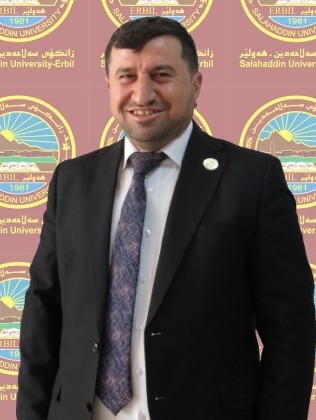
Head of Marketing Management Department
Assist. Prof. Gibraeel Ahmed Ismael
Contact Information:
Email: [email protected]
Phone: +964 750 425 4950
Office: Head of Department
As Head of the Department of Marketing Management at Salahaddin University-Erbil, I am honored to serve as both an academic leader and an Assistant Professor committed to excellence in teaching, research, and service. I offer a wide range of courses, including Strategic Management, Restaurant Management, Principles of Management, and Management Functions—each designed to equip students with the skills they need to thrive in today’s dynamic business world.
My scholarly work spans both national and international platforms, with a strong record of publications and conference participation. My research explores critical and emerging topics in business and management—ranging from organizational performance and strategic management to entrepreneurship, marketing, and tourism. I am particularly interested in the roles of intellectual capital, talent management, entrepreneurial orientation, and digitalization in shaping modern enterprises.
I approach these topics with a multidisciplinary lens, aiming to contribute to both theoretical advancements and practical innovations in these interconnected domains. My research has practical implications for diverse sectors, including telecommunications, banking, tourism, and hospitality, and supports the evolution of smart organizations and dynamic capabilities.
In addition to academic work, I am actively engaged in quality assurance and institutional development, having served on several university committees focused on curriculum enhancement and academic excellence.
Vision: To elevate Salahaddin University to international prominence through impactful scientific research and the cultivation of highly competent graduates. Mission: To deliver top-quality education through effective, research-driven curricula that meet global academic and professional standards.
Publications: Please visit the following link to view our publications. https://orcid.org/my-orcid?orcid=0000-0003-2160-4113Mission
Using technology, artificial intelligence, and a faculty with extensive expertise in marketing management, we prepare students to confidently enter the workforce upon graduation. As practitioners in marketing, public relations, negotiation, and communication, they are equipped to compete effectively for job opportunities and emerge as top candidates in the job market.
Vision
To prepare graduates to become industry-ready marketing professionals.
Learning Outcomes
The Bachelor’s program in the Marketing Management Department is designed to provide our students with essential skills to translate ideas and data into effective communication strategies. This program equips students with the essential knowledge and skills to affect how consumers and markets interact with one another. Graduates are prepared to do collaborations with other students, internships, and hands-on experience; you’ll immerse yourself in business, design solutions, marketing, audio production, consumer behavior, and more. This deep set of proficiencies in multiple areas will increase students’ marketability in a changeable industry. Graduates from the Marketing Management Department will:
Marketing Competencies
- Foundational Marketing Competencies: Students will master foundational marketing competencies, including the 4Ps framework, consumer behavior analysis, and data interpretation, to develop strategic marketing plans that drive business growth.
- Digital Marketing and Technology Skills: Learners will utilize AI tools, social media platforms, and e-commerce systems to create and optimize digital marketing campaigns.
- Business Communication and Research: Students will conduct professional market research and effectively present their findings in both English and Kurdish through reports and presentations.
- Strategic and Analytical Thinking: Learners will apply statistical analysis using SPSS, economic principles, and feasibility studies to address complex marketing challenges.
- Specialized Marketing Applications: Will develop sector-specific marketing strategies for the agriculture, industrial, and energy markets by utilizing data-driven approaches.
- Ethical and Cultural Marketing Practices: Learners will design culturally appropriate campaigns and evaluate marketing decisions using ethical frameworks.
- Leadership and Soft Skills: Students will develop time management, negotiation skills, and creative problem-solving abilities essential for leadership roles in marketing.
- Innovation and Adaptability: Learners will develop innovative marketing solutions utilizing emerging technologies and will adapt strategies to respond to changing market conditions.
Marketing Competencies
- Foundational Marketing Competencies: Students will master foundational marketing competencies, including the 4Ps framework, consumer behavior analysis, and data interpretation, to develop strategic marketing plans that drive business growth.
- Digital Marketing and Technology Skills: Learners will utilize AI tools, social media platforms, and e-commerce systems to create and optimize digital marketing campaigns.
- Business Communication and Research: Students will conduct professional market research and effectively present their findings in both English and Kurdish through reports and presentations.
- Strategic and Analytical Thinking: Learners will apply statistical analysis using SPSS, economic principles, and feasibility studies to address complex marketing challenges.
- Specialized Marketing Applications: Will develop sector-specific marketing strategies for the agriculture, industrial, and energy markets by utilizing data-driven approaches.
- Ethical and Cultural Marketing Practices: Learners will design culturally appropriate campaigns and evaluate marketing decisions using ethical frameworks.
- Leadership and Soft Skills: Students will develop time management, negotiation skills, and creative problem-solving abilities essential for leadership roles in marketing.
- Innovation and Adaptability: Learners will develop innovative marketing solutions utilizing emerging technologies and will adapt strategies to respond to changing market conditions.
Strategic Objectives
- Delivering highly skilled marketing graduates equipped with both theoretical knowledge and practical expertise.
- Implementing a modern academic curriculum to ensure graduates meet industry standards.
- Expanding into advanced degree programs (Higher Diploma, Master’s, and PhD) to further develop the marketing sector in the Kurdistan Region.
Undergraduate Study
The Department of Marketing Management offers undergraduate programs that provide students with a comprehensive understanding of marketing principles, management, statistics, and economics, integrating theoretical knowledge with hands-on practice. Graduates are prepared for advanced studies or careers in academia, research, digital marketing, branding, advertising, business consulting, and client management.
Marketing Management Program
The Bachelor’s program equips students with essential knowledge and skills for professional marketing roles. Graduates specialize in areas such as:
- Digital & AI Marketing: (social media, e-commerce, data analytics)
- Strategic Marketing: (consumer behavior, market research, branding)
- Industry-Specific Marketing: (agriculture, energy, industrial, tourism)
- Innovation & Ethics: (sustainable marketing, crisis management, political marketing)
The curriculum blends core marketing concepts (4Ps, customer insights) with cutting-edge tools (SPSS, AI, graphic design). Students gain practical experience through:
- Field training (Summer Marketing Field Training)
- Capstone projects solving real business challenges
- Research projects using statistical and market analysis techniques
Key Program Features
-
Comprehensive Core Courses:
- Foundational: Principles of Marketing, Management, Statistics, Economics
- Advanced: Digital Marketing, Branding, Consumer Behavior, Marketing Research
-
Specialized Electives:
- Sector-focused: Agriculture Marketing, Industrial Marketing
- Skill-based: Data Analysis (SPSS), AI Marketing, Electronic Commerce
-
Practical Components:
- Research Project: Data collection, analysis, and scientific reporting
- Internships: Partnerships with businesses and government agencies
Program Structure
- Duration: 4 years (8 semesters, 30 ECTS/semester)
- First Two Years: Core subjects (Marketing Mix, Accounting, Microeconomics) + communication skills (English/Kurdish)
- Final Two Years: Electives (e.g., Crisis Management, Marketing feasibility study ) + research/practical training
Career Readiness
Graduates are prepared for roles in:
- Corporate: Brand management, market analysis, HR
- Consulting: Business strategy, client management
- Research: Consumer insights, data-driven decision-making
Support includes:
- Industry internships
- Career counseling and job placement
- Training in marketing practices
Postgraduate Study
The Marketing Management Department at Salahaddin University-Erbil offers in the future rigorous postgraduate programs to enhance advanced knowledge, promote research innovation, and develop specialized expertise in the fields of Marketing Management.
Program Offerings
-
Master of Marketing Management
The master program offers students advanced theoretical knowledge and skills across a range of disciplines related to marketing management. The program places a strong emphasis on both coursework and research, equipping graduates for professional careers in academia and business in both public and private sectors.
-
Doctor of Philosophy (Ph.D.) in Marketing Management
The Ph.D. program in future will be dedicated to fostering original research contributions in marketing management sciences, with the objective of developing experts capable of advancing the field through innovative, impactful, and high-quality research.
Marketing Competencies
- Foundational Marketing Competencies: Students will master foundational marketing competencies, including the 4Ps framework, consumer behavior analysis, and data interpretation, to develop strategic marketing plans that drive business growth.
- Digital Marketing and Technology Skills: Learners will utilize AI tools, social media platforms, and e-commerce systems to create and optimize digital marketing campaigns.
- Business Communication and Research: Students will conduct professional market research and effectively present their findings in both English and Kurdish through reports and presentations.
- Strategic and Analytical Thinking: Learners will apply statistical analysis using SPSS, economic principles, and feasibility studies to address complex marketing challenges.
- Specialized Marketing Applications: Will develop sector-specific marketing strategies for the agriculture, industrial, and energy markets by utilizing data-driven approaches.
- Ethical and Cultural Marketing Practices: Learners will design culturally appropriate campaigns and evaluate marketing decisions using ethical frameworks.
- Leadership and Soft Skills: Students will develop time management, negotiation skills, and creative problem-solving abilities essential for leadership roles in marketing.
- Innovation and Adaptability: Learners will develop innovative marketing solutions utilizing emerging technologies and will adapt strategies to respond to changing market conditions.
Strategic Objectives
- Delivering highly skilled marketing graduates equipped with both theoretical knowledge and practical expertise.
- Implementing a modern academic curriculum to ensure graduates meet industry standards.
- Expanding into advanced degree programs (Higher Diploma, Master’s, and PhD) to further develop the marketing sector in the Kurdistan Region.
Undergraduate Study
The Department of Marketing Management offers undergraduate programs that provide students with a comprehensive understanding of marketing principles, management, statistics, and economics, integrating theoretical knowledge with hands-on practice. Graduates are prepared for advanced studies or careers in academia, research, digital marketing, branding, advertising, business consulting, and client management.
Marketing Management Program
The Bachelor’s program equips students with essential knowledge and skills for professional marketing roles. Graduates specialize in areas such as:
- Digital & AI Marketing: (social media, e-commerce, data analytics)
- Strategic Marketing: (consumer behavior, market research, branding)
- Industry-Specific Marketing: (agriculture, energy, industrial, tourism)
- Innovation & Ethics: (sustainable marketing, crisis management, political marketing)
The curriculum blends core marketing concepts (4Ps, customer insights) with cutting-edge tools (SPSS, AI, graphic design). Students gain practical experience through:
- Field training (Summer Marketing Field Training)
- Capstone projects solving real business challenges
- Research projects using statistical and market analysis techniques
Key Program Features
-
Comprehensive Core Courses:
- Foundational: Principles of Marketing, Management, Statistics, Economics
- Advanced: Digital Marketing, Branding, Consumer Behavior, Marketing Research
-
Specialized Electives:
- Sector-focused: Agriculture Marketing, Industrial Marketing
- Skill-based: Data Analysis (SPSS), AI Marketing, Electronic Commerce
-
Practical Components:
- Research Project: Data collection, analysis, and scientific reporting
- Internships: Partnerships with businesses and government agencies
Program Structure
- Duration: 4 years (8 semesters, 30 ECTS/semester)
- First Two Years: Core subjects (Marketing Mix, Accounting, Microeconomics) + communication skills (English/Kurdish)
- Final Two Years: Electives (e.g., Crisis Management, Marketing feasibility study ) + research/practical training
Career Readiness
Graduates are prepared for roles in:
- Corporate: Brand management, market analysis, HR
- Consulting: Business strategy, client management
- Research: Consumer insights, data-driven decision-making
Support includes:
- Industry internships
- Career counseling and job placement
- Training in marketing practices
Postgraduate Study
The Marketing Management Department at Salahaddin University-Erbil offers in the future rigorous postgraduate programs to enhance advanced knowledge, promote research innovation, and develop specialized expertise in the fields of Marketing Management.
Program Offerings
-
Master of Marketing Management
The master program offers students advanced theoretical knowledge and skills across a range of disciplines related to marketing management. The program places a strong emphasis on both coursework and research, equipping graduates for professional careers in academia and business in both public and private sectors.
-
Doctor of Philosophy (Ph.D.) in Marketing Management
The Ph.D. program in future will be dedicated to fostering original research contributions in marketing management sciences, with the objective of developing experts capable of advancing the field through innovative, impactful, and high-quality research.
Program Learning Outcomes
Upon successful completion of the Marketing Management program, graduates will demonstrate the following competencies:
Program Educational Outcomes
-
Industry Leadership and Innovation
Graduates will:
- Hold leadership positions in marketing, branding, or digital strategy across various sectors, including retail, agriculture, energy, and tourism.
- Develop innovative marketing solutions by leveraging artificial intelligence, data analytics (such as SPSS), and creative advertising techniques.
- Drive business growth through entrepreneurial ventures or consulting services.
-
Strategic Decision-Making
Graduates will:
- Apply economic principles, including microeconomics and feasibility studies, as well as statistical tools, to address real-world market challenges.
- Develop data-driven marketing strategies (including digital, social media, and political marketing) to gain a competitive advantage.
- Effectively manage crises and negotiate in dynamic business environments.
-
Ethical and Culturally Aware Practice
Graduates will:
- Uphold ethical standards in marketing, including consumer rights and sustainability, while respecting cultural contexts such as Kurdish studies and global markets.
- Promote socially responsible branding and service marketing practices.
- Navigate cross-cultural communication between English and Kurdish in multinational teams.
-
Technological and Analytical Proficiency
Graduates will:
- Leverage cutting-edge tools, such as AI marketing, e-commerce platforms, and graphic design software, to optimize your campaigns.
- Analyze consumer behavior and market trends utilizing advanced research methodologies, such as case studies and capstone projects.
- Implement Total Quality Management (TQM) principles in marketing operations.
-
Lifelong Learning and Adaptability
Graduates will:
- Continuously update skills in emerging fields such as energy marketing, industrial marketing, and tourism trends.
- Contribute to academic or industry research through participation in research projects and publications.
- Build personal brands and mentor aspiring marketing professionals.
Marketing Management 4-Year Curriculum Overview
Program Structure: 4 Years / 8 Semesters
First Year: Foundation Stage
Semester 1
MM1001: Principles of Marketing
What you'll study: Foundational marketing concepts including needs, wants, exchange, and customer value.
You’ll learn: The basic roles of marketing in business and society, and the structure of the marketing environment.
Why it matters: It sets the base for all future marketing studies and helps students see the big picture from the start.
MM1002: Principles of Management
What you'll study: Introduction to planning, organizing, leading, and controlling in business.
You’ll learn: Key management theories and how organizations operate their function internally.
Why it matters: Marketers must understand how companies operate to align campaigns with business goals.
MM1003: Principles of Economics
What you'll study: Basic economic concepts such as demand and supply, opportunity cost, and market structures.
You’ll learn: How markets operate and how economic factors affect businesses.
Why it matters: Marketing decisions are shaped by economic environments.
SU1001: Computer Skills
What you'll study: Basic computer operations and common software used in academic and business settings.
You’ll learn: To use tools like Microsoft Office, email systems, and file management.
Why it matters: A marketer must be digitally literate to survive and thrive in modern environments.
SU1003: English for University Students
What you'll study: Academic reading, writing, listening, and speaking in English.
You’ll learn: To communicate effectively in academic contexts.
Why it matters: English is the language of global marketing and is essential for research and career advancement.
SU1006: Principles of AI in Marketing
What you'll study: Basics of AI, data analysis, machine learning applications.
You’ll learn: Use AI tools, predict trends, understand consumer behavior smartly.
Why it matters: Improves marketing strategies, saves time, increases decision accuracy.
Semester 2
MM2001: Marketing Mix
What you'll study: The 4Ps—Product, Price, Place, and Promotion—and how they interact.
You’ll learn: To evaluate and apply these components in marketing planning.
Why it matters: To guide market research and identify the core values to reach optimum sales.
MM2002: Marketing Computer Skills
What you'll study: Basic software used in marketing, like Excel, PowerPoint, and possibly Canva.
You’ll learn: To build marketing presentations, conduct data analysis, and work with creative tools.
Why it matters: These skills are essential to enable marketers to leverage online platforms and create campaigns to reach target audiences.
MM2003: Principles of Accounting
What you'll study: Fundamentals of financial and managerial accounting.
You’ll learn: To understand financial statements and basic budgeting.
Why it matters: Marketing activities are tied to cost, revenue, and financial performance.
SU1002: Academic Skills
What you'll study: Research, writing, presentation, and study skills.
You’ll learn: To structure reports, cite sources, and think critically.
Why it matters: Professionals must write marketing reports clearly and think analytically.
SU1004: English for Specific Purpose
What you'll study: Business and marketing English terminology.
You’ll learn: To write and speak in marketing-specific contexts (emails, pitches, campaigns).
Why it matters: Builds communication fluency for future international and local marketing roles.
SU1005: Kurdish Studies
What you'll study: History, culture, and language of the Kurdish region.
You’ll learn: To understand the socio-cultural background of the local market.
Why it matters: Helps marketers tailor campaigns with local relevance and respect.
Second Year: Application & Skill-Building
Semester 3
MM3001: Marketing Management
What you'll study: How to plan, implement, and control marketing strategies.
You’ll learn: How to build a marketing plan, choose a target audience, and position a product.
Why it matters: It connects businesses with their target customers, builds relationships and drives sales.
MM3002: Marketing Relations
What you'll study: Building long-term relationships with customers.
You’ll learn: How to use CRM tools and maintain strong customer loyalty.
Why it matters: Retaining customers is more cost-effective than finding new ones.
MM3003: Marketing Ethics
What you'll study: Ethics in advertising, promotion, and product claims.
You’ll learn: How to avoid misleading campaigns and promote trust in the brand.
Why it matters: Ethical marketing builds long-term brand reputation.
MM3004: Marketing Entrepreneurship
What you'll study: Starting your own marketing-related business.
You’ll learn: Build a business model, pitch ideas, and create marketing strategies.
Why it matters: Prepares students to be proactive mindset for future career paths and potential ventures.
MM3005: Micro Economics
What you'll study: The bigger economic picture (inflation, GDP, trade).
You’ll learn: How external economic conditions affect markets and pricing.
Why it matters: Marketers need to understand how global economics impact demand and strategy.
MM3006: Customer Behavior
What you'll study: How consumers think, feel, and decide when buying.
You’ll learn: To analyze buyer psychology, cultural factors, and how customer decisions change over time.
Why it matters: Understanding customer behavior enables marketers to design more effective messages and select the most suitable target audiences.
Semester 4
MM4001: Negotiation Management
What you'll study: The art of reaching business agreements.
You’ll learn: To practice negotiation scenarios and learn persuasion techniques.
Why it matters: Help managers to achieve their objectives, make strategic decisions and deal with complex situations in the business world.
MM4002: Marketing Research & Consumer Insights
What you'll study: How to gather and interpret data from customers.
You’ll learn: Design surveys, analyze data with tools like SPSS, and write insight reports.
Why it matters: Research helps marketers make better decisions and reduce risk.
MM4003: Digital Marketing
What you'll study: Promoting products using digital platforms like social media and search engines.
You’ll learn: How to run basic ad campaigns, use SEO/SEM, and measure digital results.
Why it matters: Digital marketing is one of the most in-demand skills in today's market.
MM4004: Human Resource Management for Marketing (Team & Talent Management in Marketing)
What you'll study: Leading and managing teams in marketing settings.
You’ll learn: How to hire creative teams, boost their performance, and build a positive team culture.
Why it matters: Effective marketing relies on strong teamwork and internal communication.
MM4005: Promotion & Public Relations
What you'll study: Communicating with the public to promote a brand.
You’ll learn: To create promotional plans, organize events, and write press releases.
Why it matters: PR and promotion are essential for brand visibility and trust.
MM4006: Branding Management
What you'll study: Creating and maintaining a strong brand identity.
You’ll learn: Develop storytelling, logos, visuals, and messaging.
Why it matters: You will be able to influence people's perceptions of the company brand and drive new business.
Third Year: Execution & Tools
Semester 5
MM5001: Modern Marketing Studies
What you'll study: The latest trends in marketing, like influencer marketing, AI, and personalization.
You’ll learn: To follow industry shifts and explore how modern tools and ideas affect brands.
Why it matters: Helps students stay up to date and are essential for success and sustainability.
MM5002: Planning & Developing Products
What you'll study: How to turn an idea into a real product using planning tools and creativity.
You’ll learn: To brainstorm ideas, analyze markets, and design new products with user needs in mind.
Why it matters: Knowing how to create successful products is a core skill for marketing innovation.
MM5003: Creative Marketing & Advertising
What you'll study: Creating strong advertising campaigns from start to finish.
You’ll learn: How to write creative messages, choose media channels, and build visuals.
Why it matters: This helps students become creative marketers who understand real campaign building.
MM5004: Business Consulting & Client Management
What you'll study: How to work with clients, understand their problems, and offer marketing solutions.
You’ll learn: How to develop proposals, present strategies, and manage client relationships.
Why it matters: Play a vital role in providing expert advice on a range of business needs and creating partnerships that drive long-term value.
MM5005: Knowledge Marketing
What you'll study: Sharing valuable knowledge to build trust with audiences, such as blogs, articles, or webinars.
You’ll learn: To write and publish useful content that positions a brand as an expert.
Why it matters: Content-driven marketing builds authority and keeps audiences engaged long term.
MM5006: Elective
- Marketing Feasibility Study: What you'll study: Testing if a product idea is realistic and worth investing in. You’ll learn: To evaluate demand, cost, and market competition before launching. Why it matters: A key skill for entrepreneurs and product managers.
- Marketing Crisis Management: What you'll study: Handling brand problems when something goes wrong. You’ll learn: To plan for emergencies and respond with the right messages. Why it matters: Good crisis skills protect brand image and customer trust.
Semester 6
MM6001: Social Media Marketing
What you'll study: Using platforms like TikTok, Instagram, and LinkedIn to promote brands.
You’ll learn: To build content plans, track engagement, and create digital impact.
Why it matters: Businesses can reach a much larger set of potential customers than ever before.
MM6002: Service Marketing
What you'll study: Marketing services (like hotels or banks), which are different from products.
You’ll learn: To manage service quality, customer satisfaction, and reviews.
Why it matters: Service marketing can drive revenue growth by attracting new customers and encouraging upselling opportunities.
MM6003: Financial Accounting for Marketers
What you'll study: Basic financial skills marketers need, like budgeting and ROI.
You’ll learn: To read reports, plan campaign costs, and show financial impact.
Why it matters: Marketers who understand money make smarter business decisions.
MM6004: Capstone Project
What you'll study: Bringing together all skills to plan a full campaign or product launch.
You’ll learn: To work in teams and apply real marketing strategies from idea to result.
Why it matters: A bridge between academic learning and real-world practice.
MM6005: Agriculture Marketing
What you'll study: Marketing for food, farming, and natural products.
You’ll learn: To understand food chains, fair trade, and promote farm products.
Why it matters: Great for work in sustainability, food companies, or rural projects.
MM6006: Elective
- Industrial Marketing: What you'll study: Marketing for factories and businesses, not customers. You’ll learn: To study B2B buyer behavior, industrial sales, and business relationships. Why it matters: Useful for working with manufacturing or supplier-side companies.
- Energy Marketing: What you'll study: Marketing energy services or sustainable solutions. You’ll learn: To create awareness campaigns and promote green energy options. Why it matters: Important for students interested in clean energy, B2B, or environmental sectors.
Fourth Year: Strategy, Innovation & Career Preparation
Semester 7
MM7001: Marketing Design & Graphics
What you'll study: Designing visuals like logos, ads, and social media content using Canva or Adobe tools.
You’ll learn: To apply design principles and create attractive, professional marketing materials.
Why it matters: Strong visuals improve brand recognition and boost campaign effectiveness.
MM7002: Data Analysis (SPSS)
What you'll study: Using software to understand customer data and trends.
You’ll learn: To analyze numbers, run statistical tests, and explain results clearly.
Why it matters: Marketers are empowered to make well informed judgements by the useful information that data analysis offers.
MM7003: Marketing Communications
What you'll study: Creating unified messages across different channels like TV, social media, and print.
You’ll learn: To plan integrated campaigns, build consistent brand messaging, and choose the right mix of tools.
Why it matters: Integrated marketing is essential for maintaining brand clarity and reaching diverse audiences.
MM7004: Total Quality Management
What you'll study: Ensuring consistent service quality and continuous improvement.
You’ll learn: To evaluate service delivery and use feedback for better customer satisfaction.
Why it matters: Essential for any marketer working in service industries.
MM7005: Elective
- Retail Trade: What you'll study: How stores attract customers through layout, merchandising, and display. You’ll learn: To analyze and redesign store environments to improve sales. Why it matters: Key for careers in fashion retail, supermarket chains, and physical shop management.
- Electronic Commerce: What you'll study: Selling products online using platforms like Shopify or WordPress. You’ll learn: To build online stores, manage listings, and optimize user experience. Why it matters: E-commerce skills are critical for any marketer in the digital age.
MM7006: Research Project
What you'll study: Conducting a real research project, including data collection, analysis, and thesis writing.
You’ll learn: To build a research proposal, analyze findings, and defend ideas in front of an academic panel.
Why it matters: Builds research, writing, and presentation skills vital for academic or agency work.
Semester 8
MM8001: AI Marketing
What you'll study: Using artificial intelligence tools to improve marketing effectiveness.
You’ll learn: To personalize campaigns, automate tasks, and understand the ethical implications of AI.
Why it matters: AI skills are in high demand and give marketers a competitive edge.
MM8002: Tourism Marketing
What you'll study: Promoting destinations and services to attract tourists.
You’ll learn: To create seasonal tourism campaigns and understand traveler behavior.
Why it matters: Useful for raising awareness, motivating consumers, promoting image, and convincing consumers of hospitality.
MM8003: Marketing Strategies
What you'll study: Making long-term business decisions and managing competitive advantage.
You’ll learn: To use tools like SWOT, PESTLE, and Porter’s Five Forces to guide strategy.
Why it matters: Marketers need strategic skills to align campaigns with business goals.
MM8004: Advanced Case Studies in Marketing
What you'll study: Analyzing real marketing campaigns from famous brands and identifying what worked or failed.
You’ll learn: To apply critical thinking and draw lessons from actual industry examples.
Why it matters: Case analysis prepares students for solving real-world challenges strategically.
MM8005: Elective
- Political Marketing: What you'll study: Promoting political figures or causes through strategic messaging. You’ll learn: To design campaign messages, analyze public opinion, and manage images. Why it matters: Great for careers in public affairs, NGOs, or political consultancy.
- Personal Branding: What you'll study: How to shape and communicate your unique professional identity in the marketing world. You’ll learn: To create a personal brand strategy, write compelling bios, design your LinkedIn profile, and build an online presence that reflects your strengths. Why it matters: In a competitive market, marketers must stand out, not just promote brands, but be brands themselves. Personal branding helps with job hunting, networking, and long-term career success.
MM8006: Research Project – Final
What you'll study: Finalizing the thesis and preparing a professional presentation or portfolio.
You’ll learn: To compile, edit, and present the research with confidence.
Why it matters: It helps students to learn new things about the world, boost knowledge, analyze data, and come up with their own ideas.
Admissions
The Department of Marketing offers two types of study options for prospective students, ensuring accessibility and flexibility based on individual circumstances:
- Zankoline (government-funded) Study
- Description: This option provides free tuition for students who meet the eligibility criteria and are accepted through the general centralized admission system, known as "Zancoline."
- Eligibility:
- Applicants must meet the academic requirements of the Ministry of Higher Education and Scientific Research.
- Selection is competitive and based on high school scores, particularly in scientific subjects.
- Benefits:
- Exemption from tuition fees.
- Access to complete university services and facilities.
- Parallel Study (Self-Funded)
- Description: This option allows students who do not secure a Zankoline seat to pursue their studies by paying a tuition fee.
- Tuition Fee: 2,00,000 IQD per year.
- Eligibility:
- Students must meet the minimum academic requirements for admission to the Biology program.
- This option provides additional opportunities for students to catch up on the Zankoline criteria.
- Benefits:
- Access to the same high-quality education, resources, and facilities as Zancoline students.
- Students can pursue their academic goals without being limited by centralized admission quotas.
Admission Requirements for Both Tracks
- Academic Qualifications:
- Completion of high school with a focus on the science track (math).
- Minimum GPA as determined by the Ministry of Higher Education.
- Application Process:
- Apply through the centralized admission system for Zankoline
- Submit required documents, including transcripts, identification, and certificates.
- Language Proficiency:
- Basic proficiency in English, as several courses are delivered in English.
- Kurdish language proficiency is also beneficial.
Graduate Employability
The Earth Sciences and Petroleum Department is dedicated to preparing graduates at all levels—Bachelor’s, Master’s, and Doctorate—with the comprehensive knowledge, skills, and experiences required to excel in diverse career paths. Graduates are equipped to pursue opportunities in academia, industry, government, and the petroleum sector, with a strong emphasis on promoting environmental sustainability, effective resource management, and technological innovation.
- Bachelor of Science (B.Sc.) in Earth Sciences
- Oil and Gas Industry: Exploration, drilling, reservoir management, and production of petroleum and natural gas.
- Environmental and Geotechnical Consulting: Providing expertise in environmental impact assessments, site investigations, and natural resource management.
- Mining and Mineral Resources: Identifying and managing mineral deposits for commercial and industrial use.
- Geological Survey and Mapping: Working with government and private agencies to map geological features and identify natural resources.
- Government and NGOs: Roles in environmental protection, natural disaster response, and natural resource conservation projects.
- Education; Teaching geology or earth sciences at secondary schools or vocational institutions.
- Practical laboratory skills and fieldwork experience using modern geological tools and technologies.
- Strong analytical and problem-solving abilities to address environmental, engineering, and natural hazards and natural resource management challenges.
- Effective communication and teamwork skills for collaborating with professionals across various sectors.
- Master of Science (M.Sc.) in Earth Sciences
- Research Institutions: Conducting advanced research on geological processes, natural resource management, and petroleum exploration, extraction and production.
- Energy and Mining Sectors: Leading projects in petroleum and mineral exploration, mining operations, and geotechnical engineering.
- Environmental Consultancy: Providing expertise in environmental monitoring, assessment, and remediation projects.
- Government Agencies: Contributing to policy development, resource management, and environmental conservation initiatives.
- Academia: Teaching and conducting research at universities and specialized research centers.
- Science Communication: Working in scientific publishing, journalism, or outreach programs.
- Advanced research skills in geology, geophysics, and petroleum sector.
- Proficiency in designing and conducting geological surveys and analyzing complex data.
- Ability to manage projects and collaborate with professionals across disciplines.
- Doctor of Philosophy (Ph.D.) in Earth Sciences
- Academia: Professorships, research supervision, and curriculum development in Geosciences and petroleum-related fields.
- Industry Leadership: Senior roles in the petroleum, energy, and mining sectors, leading innovative research and development projects.
- Government and Policy: Shaping policies on resource management, environmental sustainability, natural hazard risk mitigation, and energy efficiency.
- Research Institutions: Leading high-impact research projects in geological sciences, resource management, and environmental protection.
- Global Organizations: Contributing to international initiatives on climate change, resource management, and disaster preparedness (e.g., UN, World Bank).
- Entrepreneurship: Founding consulting firms or startups focusing on energy solutions, environmental sustainability, or geotechnical services.
- Mastery of advanced geological research techniques and methodologies.
- Ability to publish high-impact research findings in scientific journals.
- Leadership in collaborative projects and interdisciplinary teams.
- Strategic thinking and problem-solving for complex geological and environmental challenges at local and global level.
Graduates of the B.Sc. program possess solid foundational knowledge in geology, geophysics, GIS, and petroleum sector, along with practical skills that open doors to numerous career opportunities:
Career Paths:M.Sc. graduates are highly sought after for specialized roles requiring advanced expertise in areas such as petroleum exploration, environmental geology, natural hazard impact reduction, natural resource management, and geotechnical engineering:
Career Paths:Ph.D. graduates from the Earth Sciences and Petroleum Department are recognized for their leadership in research (including expertise, critical thinking, and capacity for related-earth problems management) and innovation. They are prepared to take on roles in academia, industry, and government that shape the future of natural resources, energy, sustainability, and earth sciences:
Career Paths:By providing these opportunities and skills, the Earth Sciences and Petroleum Department ensures that our graduates are well-equipped to address the pressing challenges of the energy sector, environmental sustainability, natural hazards risk reduction, and natural resource management. They are ready to make meaningful contributions to the industry, government, and society at large.
Academic Advising
The Earth Sciences and Petroleum Department is committed to supporting students throughout their academic journey by offering comprehensive advising services. Our academic advisors ensure that students receive the necessary guidance to achieve their educational and professional goals while maintaining academic excellence.
Academic Advising Services
- Individualized Advising Sessions: Each student is assigned an academic advisor who provides personalized guidance based on their interests, strengths, and career aspirations. Advisors assist in course selection, academic planning, and resolving educational challenges, ensuring that students stay on track for graduation.
- Course Selection and Registration Support: Advisors help students choose the most suitable courses each semester, ensuring a structured academic progression. They also provide registration assistance to help students avoid scheduling conflicts and meet prerequisite requirements essential for advanced coursework.
- Career Planning and Development: :Academic advisors offer valuable insights into career opportunities in petroleum exploration, mining, environmental geology, and geotechnical engineering. They also provide guidance on internships, postgraduate studies, and research opportunities to help students build a strong professional foundation.
- Monitoring Academic Performance: Advisors regularly assess student progress and provide support when academic challenges arise. Early intervention strategies, such as tutoring recommendations, study skill workshops, and exam preparation sessions, are available to help students stay on track.
- Workshops and Seminars:
The department organizes regular workshops and seminars to enhance student success. Topics include:
- Fieldwork Techniques and Geological Mapping
- Data Analysis in Earth Sciences
- Career Opportunities in Petroleum and Mining Industries
- Sustainability and Environmental Impact of Resource ExtractionGuest speakers from academia, industry, and government agencies provide students with real-world insights and professional networking opportunities.
- Mentorship Programs: Senior students and alumni mentor junior students, sharing experiences and career advice to assist them in making informed academic and professional decisions. These mentorship programs help students transition smoothly from university to their chosen careers.
By providing these academic advising services, the Earth Sciences and Petroleum Department ensures that students receive the necessary support to excel academically and prepare for successful careers in geology, petroleum engineering, and environmental sciences.
Internship Opportunities
The Earth Sciences and Petroleum Department is dedicated to enhancing students' professional development by offering diverse internship opportunities. These internships provide hands-on experience in real-world geological and petroleum-related environments, bridging the gap between academic learning and industry practice.
Benefits of Internships
- Practical Skill Development: Internships enable students to apply theoretical knowledge in real-world settings, refining fieldwork, laboratory, and technical skills.
- Career Exploration: Students gain insights into potential career paths in geology, petroleum engineering, mining, and environmental sciences, helping them make informed professional decisions.
- Professional Networking: Internships facilitate connections with industry professionals, geologists, petroleum engineers, and potential employers.
- Enhanced Employability: Work experience makes graduates more competitive in the job market, showcasing their readiness for professional roles.
- Academic Credit: In some cases, internships may count toward academic credit, further enriching the learning experience.
- Oil and Gas Exploration Companies: Students can gain experience in geophysical surveys, drilling operations, reservoir analysis, and well logging by interning with petroleum companies.
- Mining and Mineral Exploration Firms: Interns assist in resource extraction, mineral analysis, and environmental assessments within mining operations.
- Geotechnical and Engineering Firms: Opportunities to work on land stability assessments, construction site evaluations, and geological hazard analysis.
- Environmental Agencies and NGOs: Internships in environmental impact assessments, water resource management, and geological hazard mitigation.
- Government Geological Surveys: Students may contribute to mapping projects, seismic risk assessments, and natural resource evaluations with governmental agencies.
- Laboratory Research Internships: Opportunities to work in geochemistry, petrology, and sedimentology laboratories, gaining experience in rock and mineral analysis.
- Renewable Energy and Sustainability Organizations: Internships related to geothermal energy, carbon sequestration, and sustainable resource management.
How to Apply for Internships
- Advising Support: Academic advisors assist students in identifying suitable internships based on their interests and career aspirations.
- Department Partnerships: The Earth Sciences and Petroleum Department collaborates with leading companies and institutions to secure student placements.
- Application Process: Students typically submit a resume, cover letter, and academic transcripts to the host institution. Some internships may require an interview or a technical skills assessment.
- Timing: Internships are usually offered during summer breaks or as part of the final-year field training curriculum.
By participating in internships, students gain valuable industry experience, making them well-prepared for careers in geology, petroleum engineering, mining, and environmental sciences
Career Services